Flexibility vs. Mobility
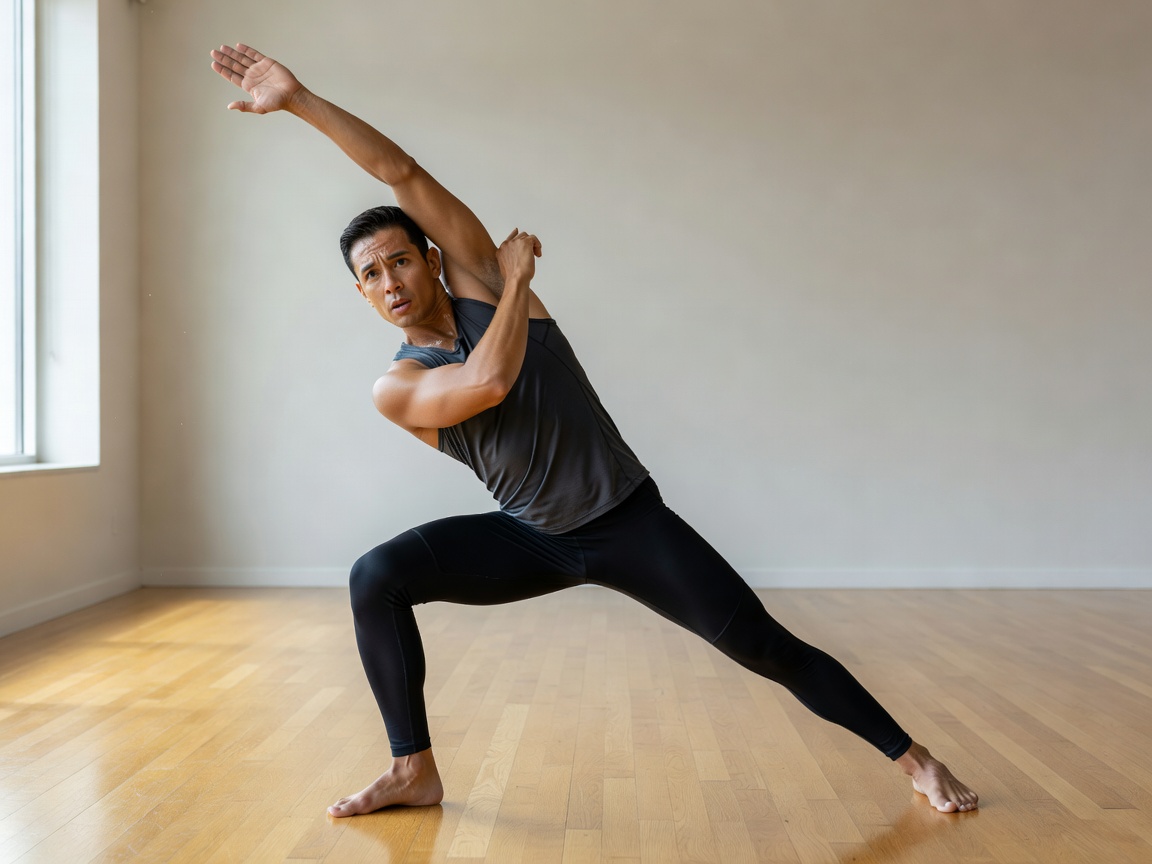
It is important to understand the educational distinction between flexibility and mobility. Flexibility refers to the passive lengthening of a muscle—how far you can stretch when aided by gravity or external force. Mobility, however, is your active range of motion. It is the ability to move a joint through its full range using your own muscular control. Having high flexibility without the necessary mobility to control it can lead to instability. Mobility training aims to bridge this gap by strengthening the muscles at their end ranges.
Movement Preparation
A mobility routine serves as the perfect precursor to more demanding exercise. By deliberately taking the shoulders, hips, ankles, and spine through full rotational and linear patterns, you send signals to the nervous system that movement is imminent. This active preparation is far superior to sitting in static stretches before a workout. Simple routines involving arm circles, controlled hip hinges, and thoracic spine rotations form an excellent daily movement habit.
Daily Integration
Mobility does not require an exhaustive one-hour session to be effective. In fact, consistency is far more valuable than volume. Integrating ten minutes of controlled joint articulation into your morning routine, or using it to break up long periods of sitting, provides significant cumulative benefits. Focus on slow, deliberate breathing while moving to reduce nervous system tension and allow the body to sink deeper into active positions comfortably.